
Exercises for Functional Fitness
Strength
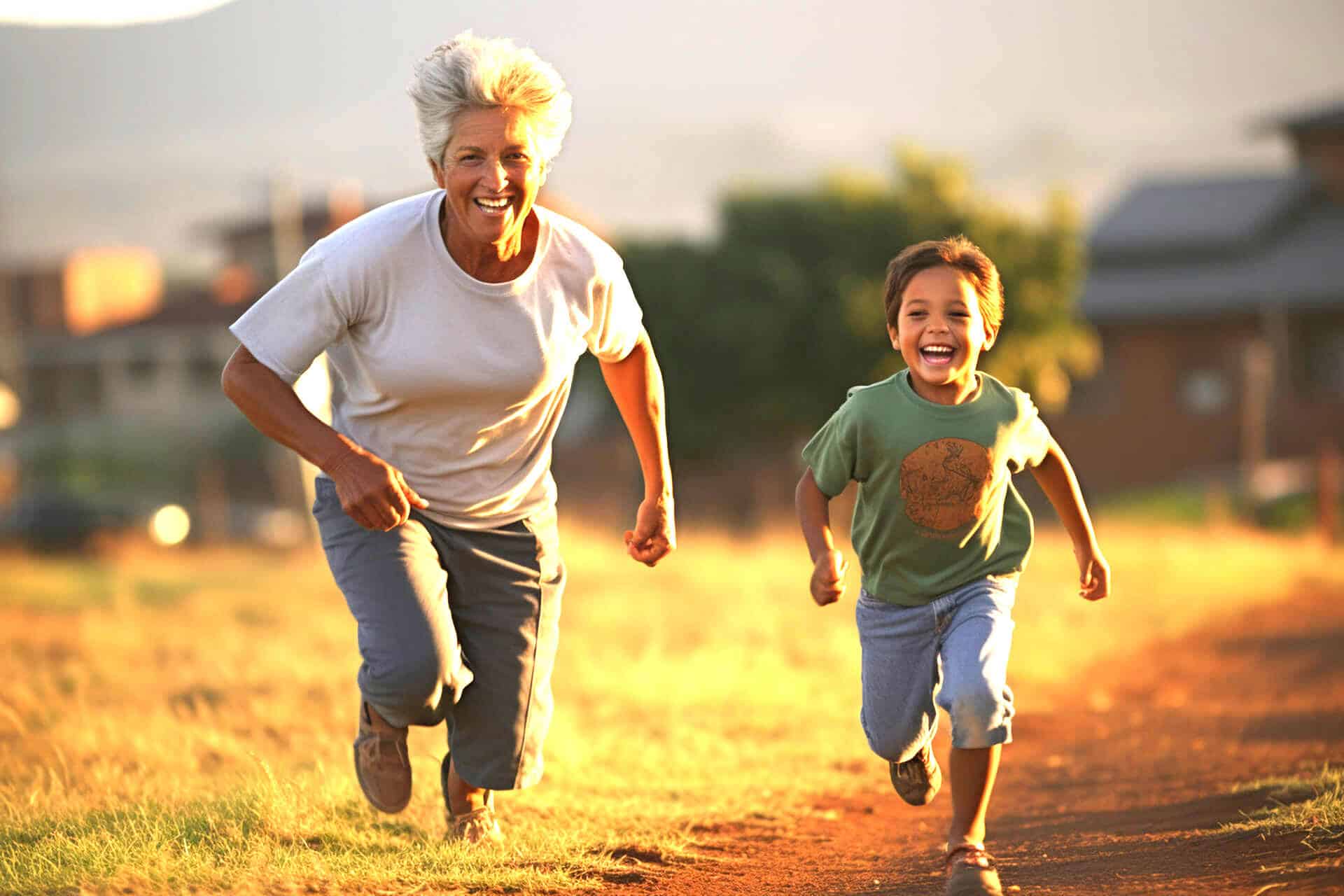
Strength is the ability to lift or move an object of significant weight.
After the age of 40 we gradually start losing muscle mass and strength. In our 60s and beyond, that process accelerates.
The good news is that we can exercise to build muscle mass and strength and slow that process. Exercise can “help you stay independent and make everyday activities easier to perform.
Keeping your muscles strong can help with your balance and prevent falls and fall-related injuries. You are less likely to fall when your leg and hip muscles are strong” (National Institute on Aging).

Learn more about how to build strength

Why Build Strength?
Why Build Strength? There are so many benefits to strength training it is hard to know where to begin. The most obvious benefit of strength training is that when you are strong, you can do more things. If you are over 50 you might be noticing that carrying...

Building Upper Body Strength
Building Upper Body Strength Upper body strength is important for most of our daily tasks such as shopping, cleaning, gardening, athletics and caring for others. Below are three...

Building Lower Body Strength
Building Lower Body Strength A great place to start building strength is with the lower body. Strong legs and hips are critical for walking, jogging, hiking, climbing...
Building Core Strength
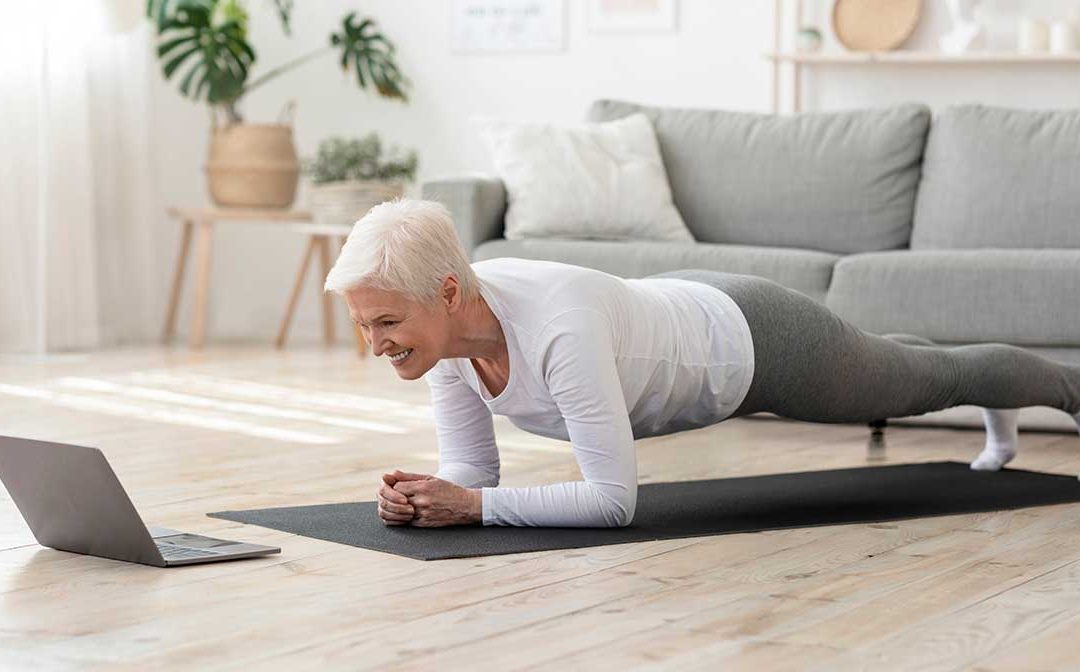
Building Core Strength Your core is the central part of your body that includes your abdomen, back and pelvis. It is engaged when you swing a baseball bat, a tennis racket, a golf...

Stay
Strong
Strength is one of the 4 fitness capabilities (endurance, strength, flexibility and balance) we need to maintain as we get older in order to enjoy life to the fullest. A dear friend of mine recently celebrated his 80th birthday. After the guests had left, he...

Endurance
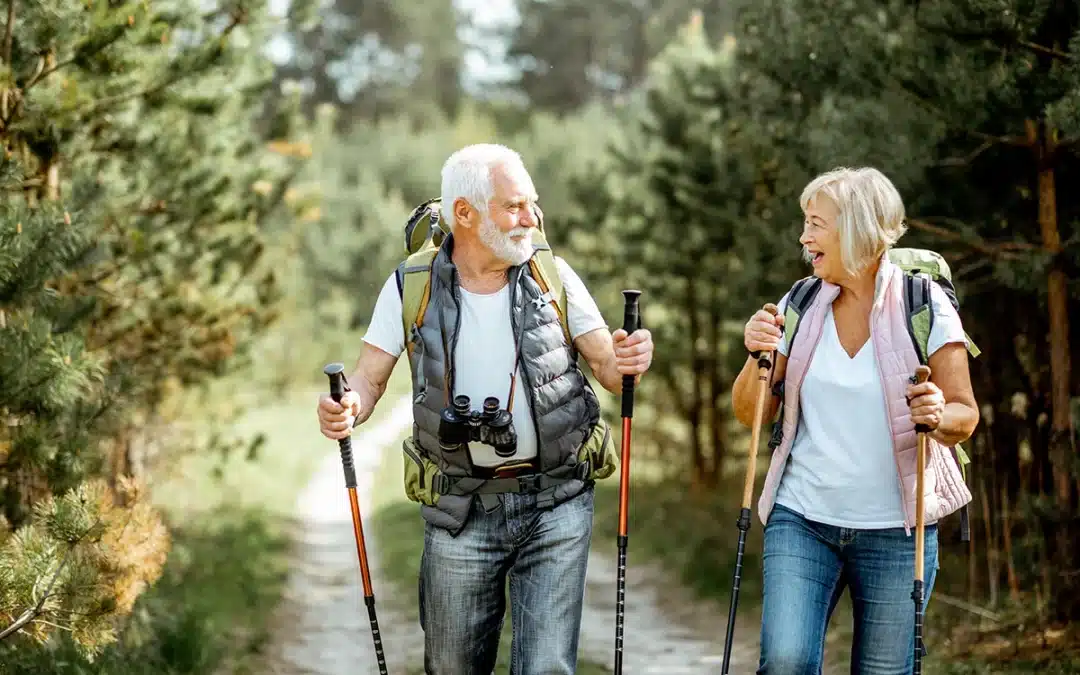
Endurance is the ability to carry out an activity for an extended period of time without getting tired.
You know you are working on endurance if your breathing and heart rate are higher than normal.
“Endurance exercises improve the health of your heart, lungs, and circulatory system. They also can delay or prevent many diseases that are common in older adults such as diabetes, colon and breast cancers, heart disease, and others. (National Institute on Aging).
Learn more about how to build endurance
Stamina vs Endurance
There is a bit of confusion on the internet about the words “stamina” and “endurance.” Some bloggers use them interchangeably. They shouldn’t. Stamina is the ability to perform an activity at high intensity for a “long” time. The longer you can do it, the more...

HIIT Walking – Turn a Stroll into a Workout
HIIT Walking: Turn a Stroll Into a Workout We all know what walking is, but what is HIIT? HIIT, or High Intensity Interval Training, is recognized as one of the most efficient ways to achieve your fitness goals. HIIT involves short bursts of...

Flexibility
Flexibility is the ability to move through a normal range of motion without pain.
“Joints require movement through a full range of motion to maintain the health of cartilage and other structures within the joint with increased blood supply and nutrients to joint structures with increased quantity of synovial joint fluid (oil in the crankcase). This effect can be particularly noticeable in weight bearing joints such as the hips and knees” (UC Davis, Sports Medicine).
Learn more about improving your flexibility

Flexibility
Long ago I got into the habit of stretching before working out or participating in a sports competition. The idea was to “loosen up” and prevent injury. I later learned that stretching before a workout does not prevent injury and may temporarily reduce the strength...

Stretching For Enhanced Performance
Stretching for Enhanced Performance Stretching has lots of benefits. It improves your range of motion and athletic performance. It reduces muscular pain and speeds recovery. There are two popular forms of stretching that help people of all ages to move more...
Balance
Balance is mainly about one thing, avoiding falls.
According to the World Health Organization “Falls are the second leading cause of unintentional injury deaths worldwide.”
Experts define balance as “the ability to distribute your weight in a way that lets you stand or move without falling, or recover if you trip” (Harvard Health Publishing, Harvard Medical School).
Like all the other core fitness capabilities, balance improves with practice.

Learn more about improving your balance
Falls Prevention
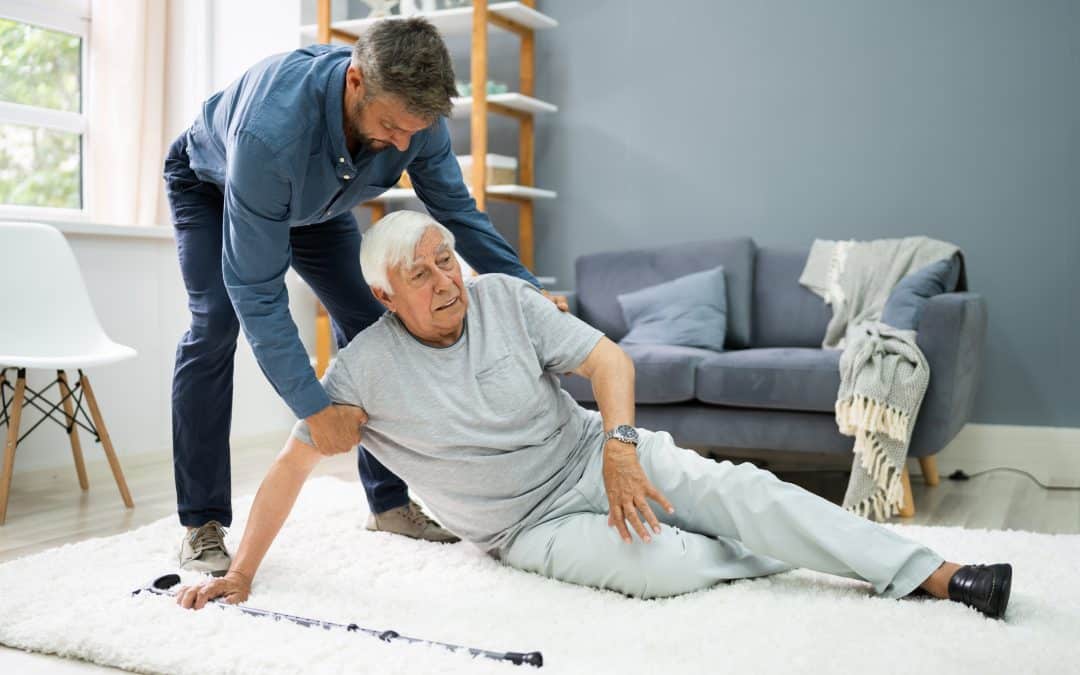
One day in 1998, when my father was mowing his lawn, he tripped, fell onto the sidewalk and broke his hip. He was taken to the hospital where he died. He was 82. According to the Centers for Disease Control (1): Falls are the leading cause of injury-related death...
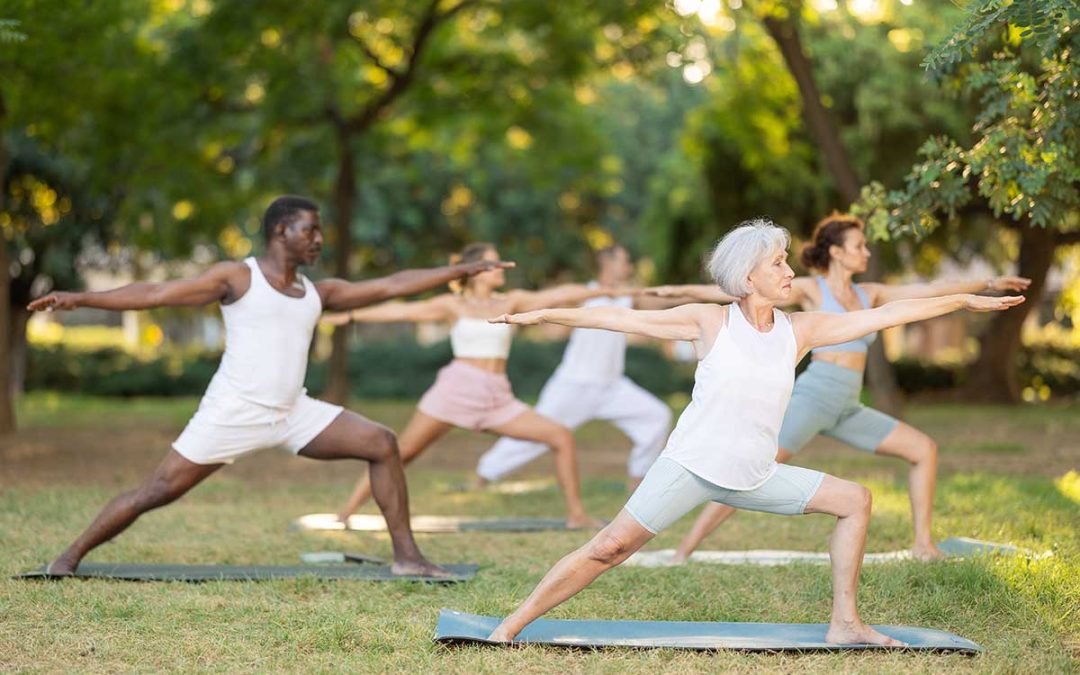
Balance and Survival
Balance is one of the four fitness capabilities (endurance, strength, flexibility and balance) that we must maintain as we grow older. Recent research shows a strong association between having good balance and survival. The most commonly cited study was published in...
How to use this site
This website is designed to help you find exercises that will enhance your active lifestyle.
You will learn why we all should exercise, what exercises are best for you and how to do them.
My goal for the website is to make it easy to navigate and fun to engage.
On the Landing/Home page, you will see several buttons that link to other sections of this site. Feel free to click on them and explore the articles, facts and other information there.
You will see the same buttons at the top of each page to make it easier for you to explore and retrace your steps. You can also scroll down each page to access related information.
The back arrow should take you back to your last location.
Enjoy!